
When the Strong Ones Struggle: Supporting the Men You Love Without Losing Yourself
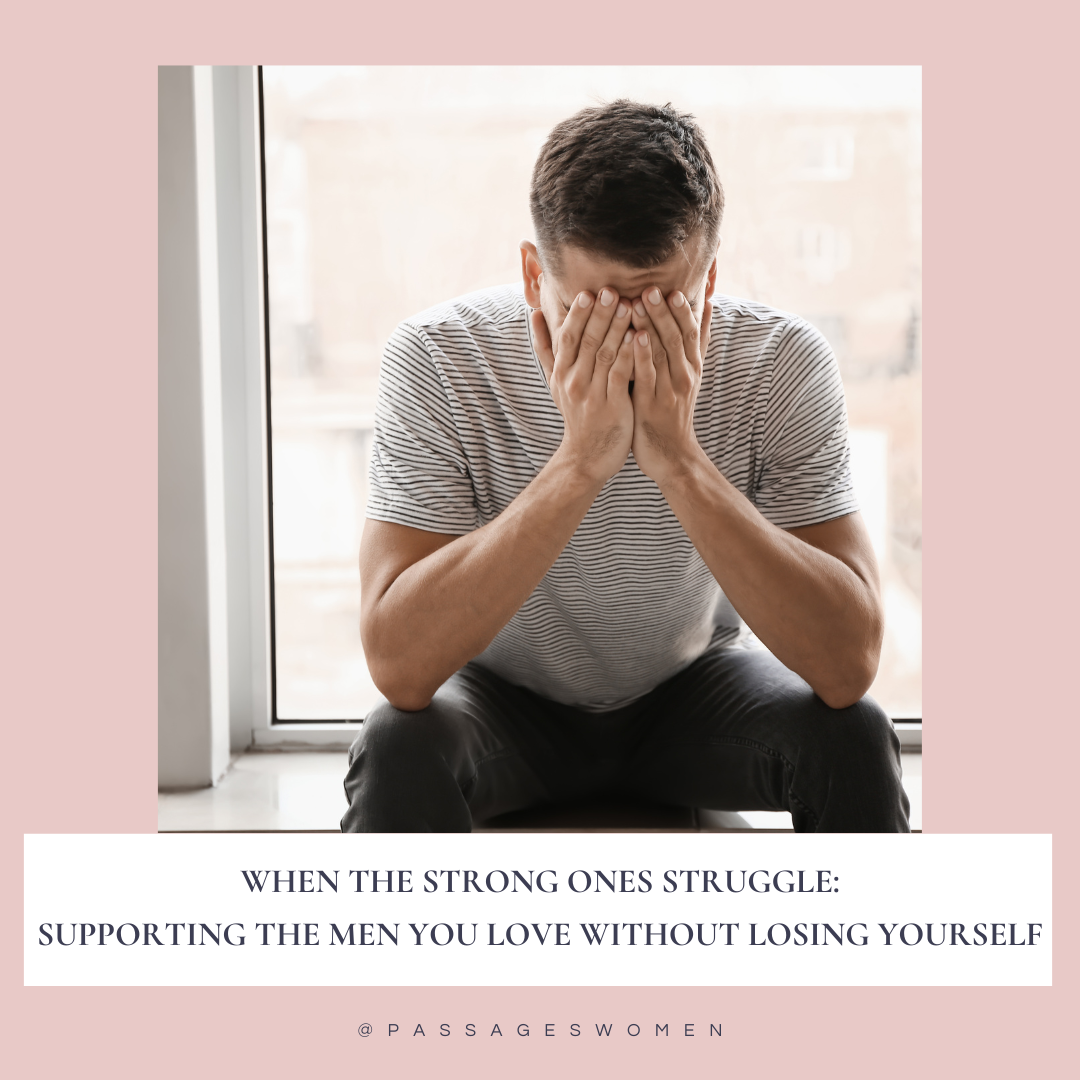
People often mention how women carry the emotional weight in relationships, families, and careers. But many women also care for men who are quietly struggling. These men—partners, fathers, brothers, sons, and friends—might seem strong, but they often carry more than anyone realizes.
Many men grow up learning to endure rather than express, to solve problems instead of feeling their emotions, and to keep going instead of asking for help. Because of this, emotional pain, stress, anxiety, depression, and burnout can go unnoticed until they start to affect relationships, health, and well-being.
If you see a man you care about struggling, it can be heartbreaking. You might want to help, fix, encourage, or protect him. But it’s important to remember that supporting someone you love shouldn’t mean giving up your own mental health.
Why Men Often Struggle in Silence
From a young age, many boys are taught that showing vulnerability is a weakness. They might learn to hide their emotions, avoid asking for help, or think they have to handle everything by themselves.
As adults, this can look like:
Increased irritability or anger
Withdrawal from loved ones
Working excessively
Difficulty communicating emotions
Increased substance use
Changes in sleep or appetite
Loss of interest in activities they once enjoyed
Often, the problem isn’t that they don’t feel deeply. It’s that they haven’t been given the tools or permission to share what they’re going through.
How to Support Without Becoming Their Therapist
When someone we love is hurting, we often feel responsible for their healing. This comes from caring, but it can quickly become emotionally exhausting.
Instead of trying to fix everything, try to create space for connection.
Try:
Listening more than advising
Asking open-ended questions
Validating their experiences without judgment
Encouraging professional support when appropriate
Reminding them that seeking help is a sign of strength, not weakness
Sometimes, the most helpful thing you can say is:
"You don't have to carry this alone."
The Difference Between Support and Self-Sacrifice
Many women find themselves becoming emotional managers in their relationships. They monitor moods, absorb stress, prevent conflict, and carry the responsibility for everyone's emotional well-being.
Over time, this can lead to:
Resentment
Burnout
Anxiety
Emotional exhaustion
Loss of personal identity
Supporting someone does not mean neglecting yourself.
Healthy support sounds like:
"I care about you."
"I'm here for you."
"I want to help you find support."
Unhealthy responsibility sounds like:
"It's my job to make sure he's okay."
"If I leave him alone, everything will fall apart."
"I have to fix this."
Remember: You can walk alongside someone without carrying them.
Encouraging Men to Seek Help
One of the most meaningful gifts we can offer the men we love is helping normalize mental health care.
Therapy is not only for crisis situations. It can help men:
Manage stress and anxiety
Improve communication
Navigate relationship challenges
Process grief and loss
Develop healthier coping skills
Build emotional resilience
For many men, the hardest step is simply making the first appointment.
Sometimes gentle encouragement, consistent support, and reducing the stigma around therapy can make all the difference.
Taking Care of Yourself, Too
If you are supporting someone who is struggling, pay attention to your own needs.
Ask yourself:
Am I getting enough emotional support?
Am I setting healthy boundaries?
Am I making time for rest and self-care?
Am I carrying responsibilities that don't belong to me?
Your well-being matters, too.
In fact, caring for yourself allows you to show up more fully and sustainably for the people you love.
A Final Thought
Strength isn't the absence of struggle. Real strength is being willing to acknowledge when life feels heavy and reaching for support when it's needed. For the men in our lives, that support may begin with a conversation, a moment of vulnerability, or the courage to ask for help. And for those who love them, the goal isn't to carry their burden alone. It's to offer compassion while maintaining your own balance, boundaries, and well-being.
At Passages, we believe everyone deserves a space to be heard, supported, and understood. Healing happens when we stop carrying life's challenges alone—and start allowing ourselves and others to seek the support we need.