
The Pressure to Enjoy Summer: How Expectations Impact Mental Health
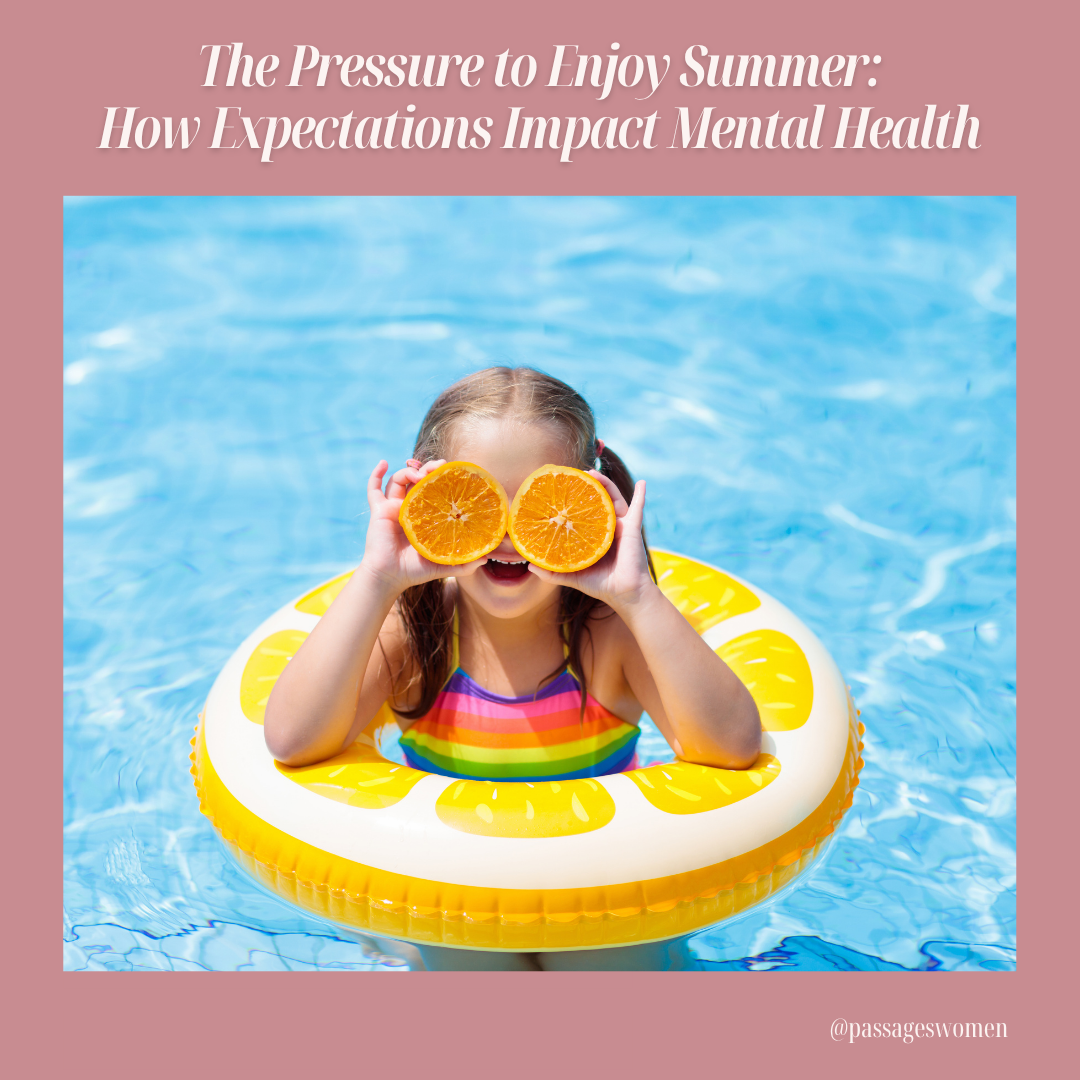
“This is supposed to be the best time of the year.”
Every summer, we hear this message all around us.
Social media is filled with beach vacations, smiling families, and backyard barbecues. Calendars fill with parties, camps, weddings, travel plans, and endless activities. Summer is often portrayed as a season of freedom, relaxation, and happiness.
But what happens when that’s not your reality?
For many people, summer doesn’t feel carefree. Instead, it can feel overwhelming.
At Passages, we often hear clients say they feel guilty for not enjoying the summer as they think they “should.” The pressure to make the most of every sunny day can leave many feeling anxious, exhausted, disconnected, or even depressed.
The truth is, your mental health doesn’t take a break just because it’s summer.
The Myth of the “Perfect Summer”
Summer often brings unrealistic expectations.
You may find yourself believing you should:
Feel happier because the weather is nicer.
Spend more time with friends and family.
Keep your children entertained all day.
Travel or create memorable experiences.
Have more energy and motivation.
Feel confident in your body.
Make every weekend count.
When life doesn’t match these expectations, you might start to wonder, “What’s wrong with me?”
The answer is: absolutely nothing.
Why Summer Can Feel Emotionally Draining
Some people feel better during the warmer months, but others actually feel more emotional stress. Some factors leading to increased stress include:
Increased Social Pressure
Summer often means more invitations, gatherings, and obligations. For someone living with anxiety, depression, grief, or social exhaustion, this constant expectation to participate can feel overwhelming.
Disrupted Routines
School schedules change and vacations interrupt normal structure. Work may become busier while children are home. The routines that keep us grounded can suddenly disappear.
Financial Stress
Vacations, camps, childcare, weddings, and activities often come with significant expenses. Trying to create the “perfect summer” can cause financial anxiety that many people quietly carry.
Body Image Concerns
When the weather gets warmer, people often feel more self-conscious about how they look. Seeing perfect images online all the time can make body dissatisfaction worse, affecting self-esteem.
Grief Doesn’t Follow the Seasons
If you’re grieving a loved one, facing infertility, going through a divorce, caring for aging parents, or just having a tough time, all the focus on celebration in summer can feel especially hard.
Sometimes, when a season looks the happiest, it can make loneliness feel even worse.
Mothers Often Carry the Invisible Load
For many women, summer isn’t a break—it’s another full-time job.
Managing childcare, planning activities, balancing work, organizing vacations, feeding everyone, and trying to create magical memories often falls disproportionately on mothers.
Instead of feeling relaxed, many women say they feel emotionally drained by August.
It’s okay if your goal this summer isn’t perfection.
Maybe your goal is simply to find some peace.
Give Yourself Permission to Have Your Own Summer
Not every summer has to be filled with adventure.
Some summers are about healing.
Some are about surviving.
Some are about slowing down.
Some are about saying no.
Your summer doesn’t have to look like anyone else’s.
Ask yourself:
What do I actually need this summer?
What expectations am I carrying that aren’t serving me?
Which commitments bring me joy, and which bring pressure?
What would enough look like instead of perfect?
A Few Ways to Protect Your Mental Health This Summer
Reduce the comparison. Remember that social media captures highlights—not real life.
Leave space on your calendar because rest is productive too.
Set realistic expectations for yourself. Not every day has to be memorable.
Say no when you need to, without feeling guilty. Taking care of your peace isn’t selfish.
Focus on simple moments. A quiet morning, a walk outside, reading a book, or having dinner with loved ones often make the best memories.
Check in with yourself often. Pay attention to how you actually feel, not just how you think you should feel.
You Don’t Have to Love Every Season
Your mental health isn’t measured by how many vacations you take, how many events you go to, or how happy your photos look.
It’s measured by how connected you feel to yourself, your values, and the support around you.
If this summer feels harder than you thought it would, remember you’re not alone.
At Passages Wellness & Counseling for Women, we’re here to support you through every season, not just the ones that look perfect from the outside.
Because healing doesn’t have a season, and neither does hope.